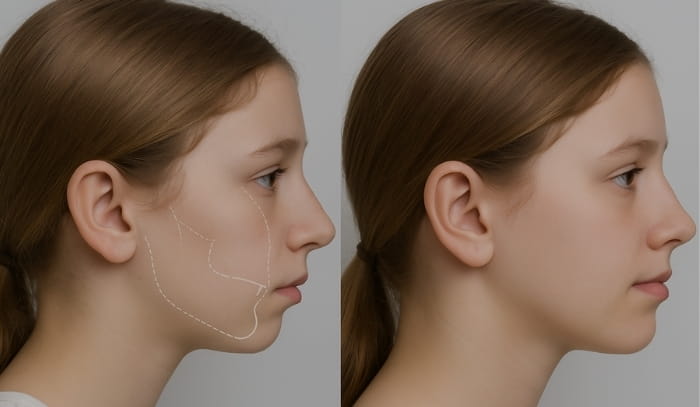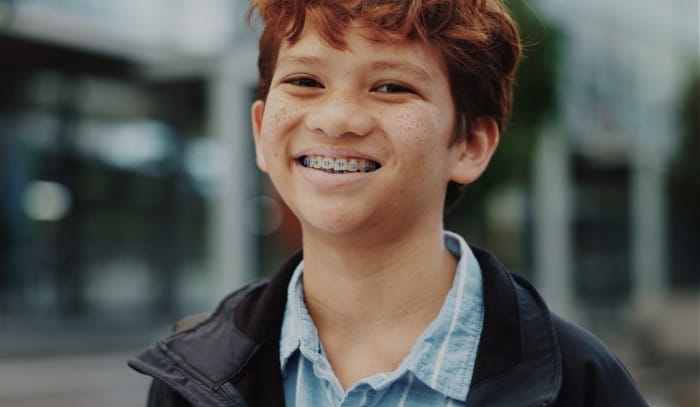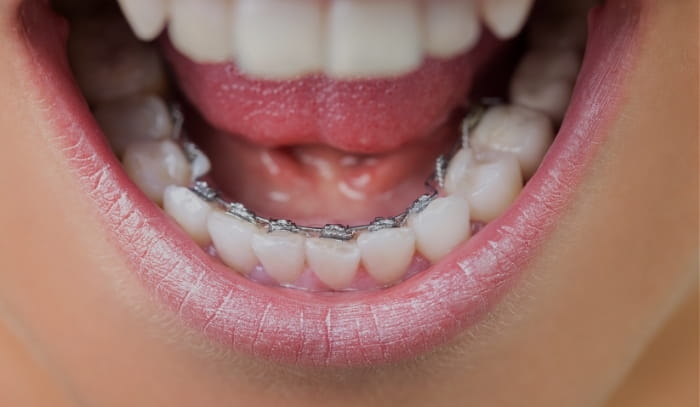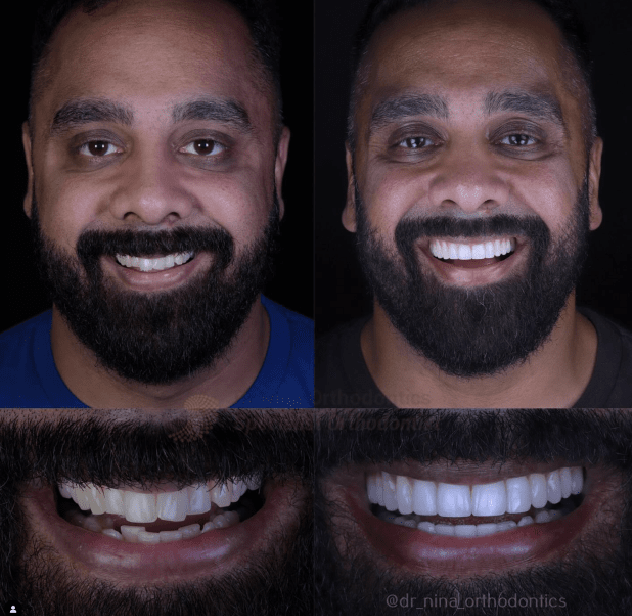
This proactive approach, known as interceptive orthodontics, aims to promote favourable growth of the jaws, create space for adult teeth, and reduce the risk of more complex orthodontic problems later in life. By intervening at the right time, we can support facial balance, dental development, and airway health — often simplifying or reducing the need for future treatment.
Early orthodontic care not only supports healthy development but also helps build a child’s confidence during important formative years. By addressing concerns such as crowding, protruding teeth, or bite issues early on, children can feel more comfortable with their smile and overall appearance. This can have a positive impact on self-esteem, social interactions, and long-term oral health habits.


Jaw growth plays an important role in facial structure, dental alignment, and breathing. In some children, narrow jaws or unfavourable growth patterns can contribute to crowding, bite problems, and reduced airway space.
By guiding jaw development early, interceptive orthodontics can help to:
This creates a stable foundation for long-term oral and facial health.


Adult teeth are often larger than baby teeth. If there is insufficient space, teeth may become crowded, misaligned, or fail to erupt properly.

We recommend an orthodontic assessment from around age 6. At this stage, we can assess jaw growth, bite development, and tooth eruption patterns. Not all children will require immediate treatment. Early assessment allows us to monitor development and intervene only when the timing is right.
As a Specialist Orthodontist, Dr Nina Shaffie provides personalised, evidence-based care tailored to each child’s individual growth and developmental needs.
Our focus is not just on straight teeth, but on supporting healthy, balanced growth that promotes function, facial harmony, and long-term stability.